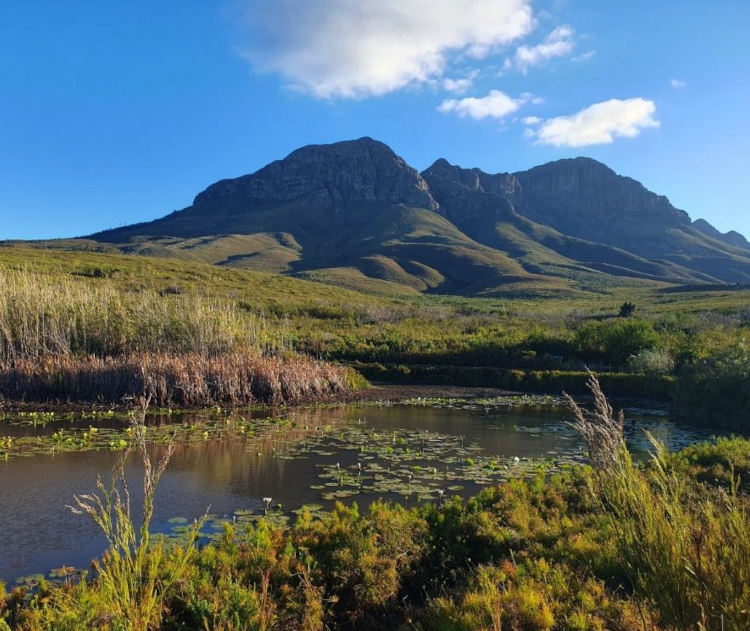
Outing to the Helderberg Nature Reserve, Somerset West.
25 April 2026. Leader Otto Schmidt.
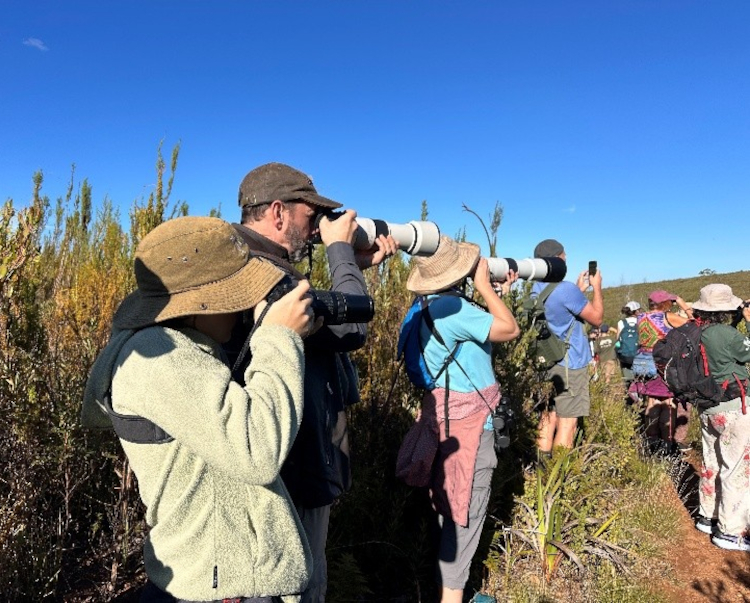
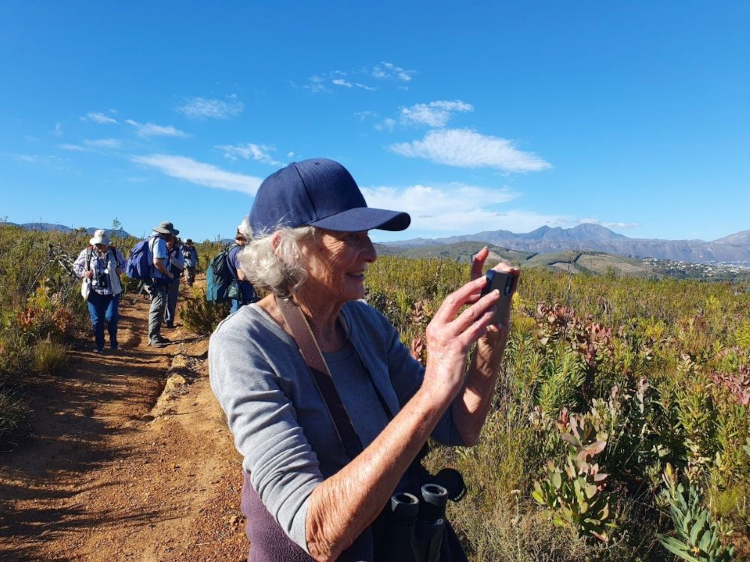
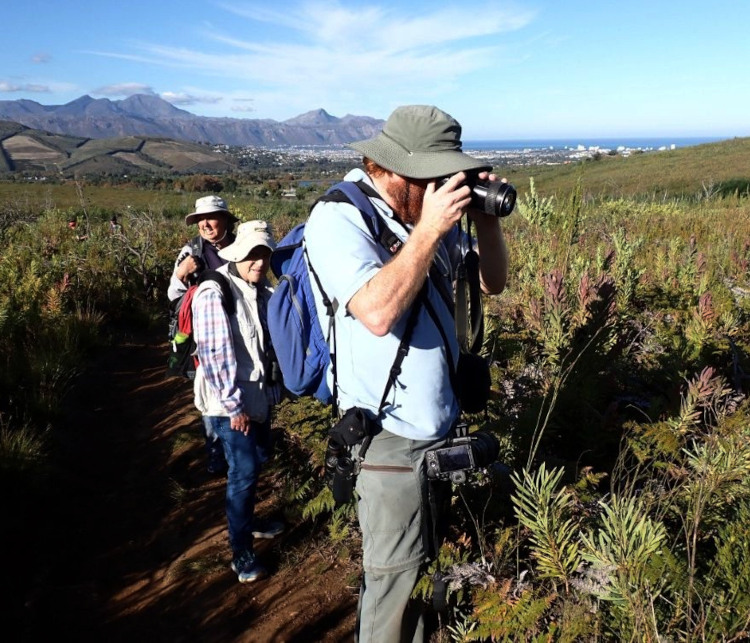
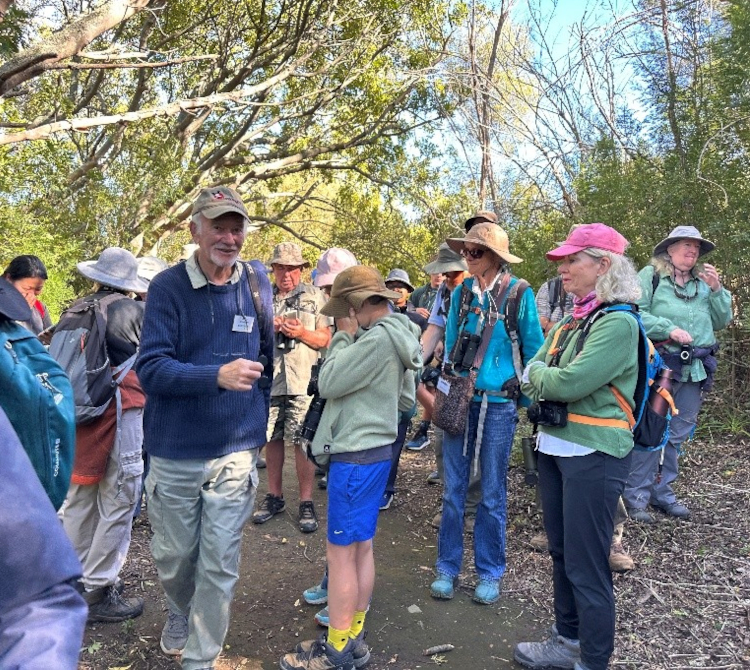
Despite a gusty, chilly start on the slopes of Helderberg Nature Reserve on Saturday, 25th April, the Cape Town Bird Club outing was well represented, with more than 50 attendees, including a record number of young birders. Their enthusiasm was evident from the outset, as many arrived early to scout the dam and surrounding paths before the walk began.
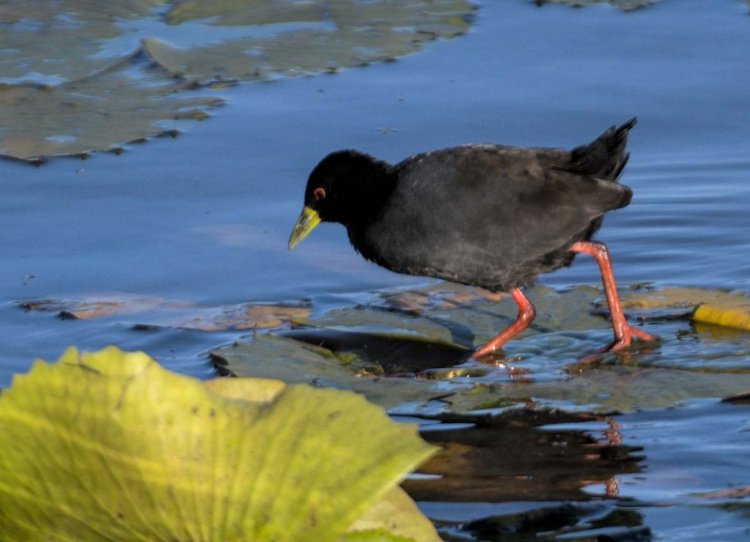
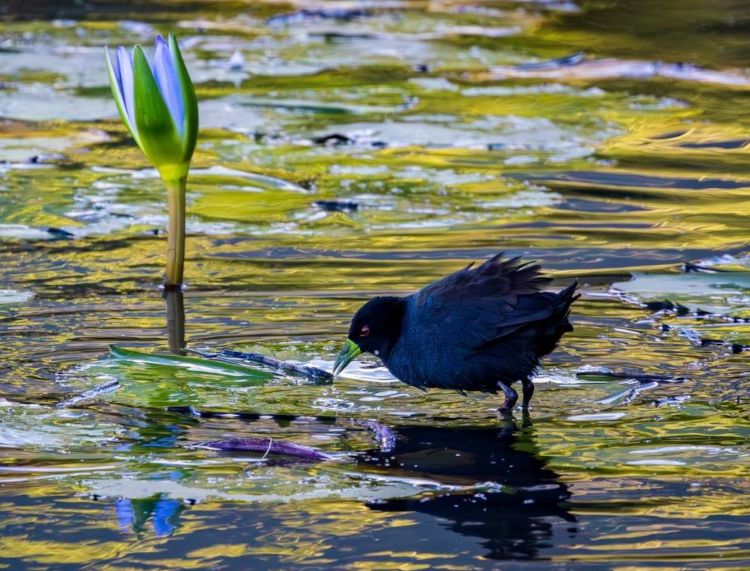
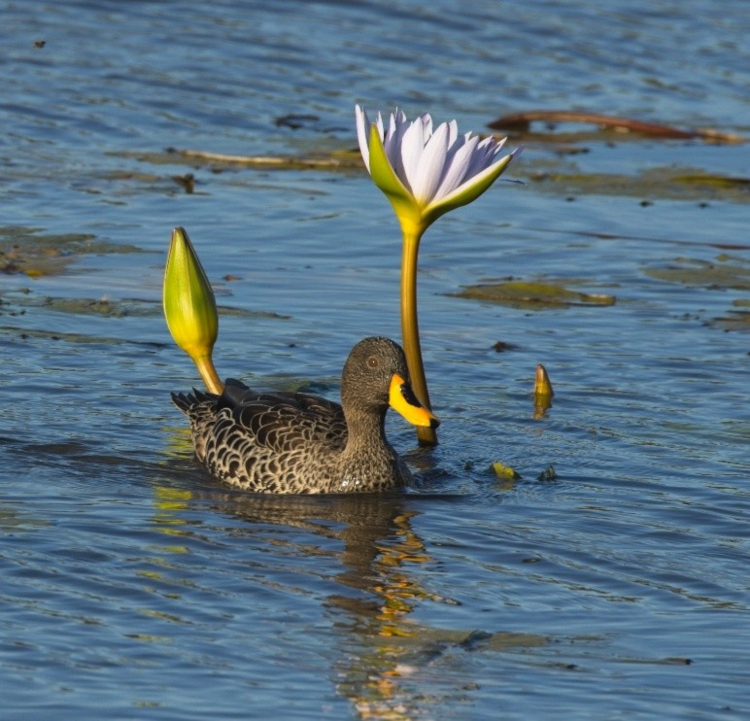
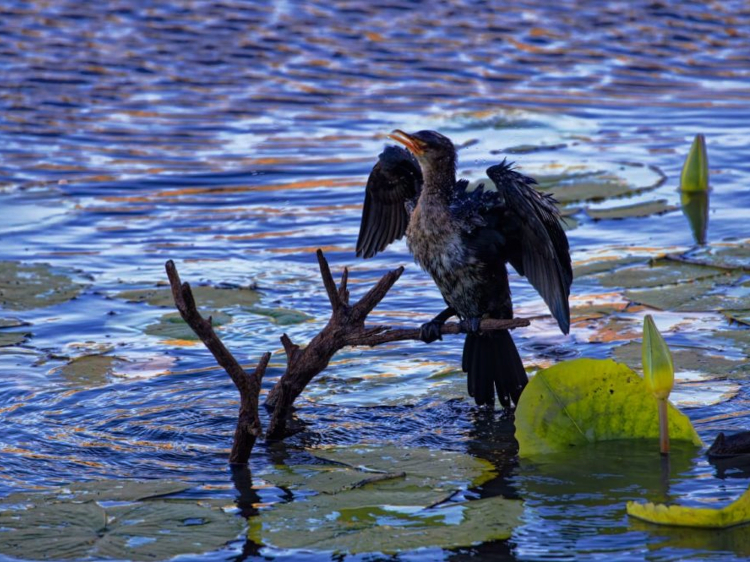
The first subject to set cameras clicking was a Black Crake. Three birds were seen feeding under the Cyprus reeds and dashing across the lily pads. With the wind keeping many smaller species well concealed, the waterbirds provided excellent viewing: African Black Ducks, Yellow-billed Ducks, Red-knobbed Coots and a Reed Cormorant remained active and obliging for photographers.
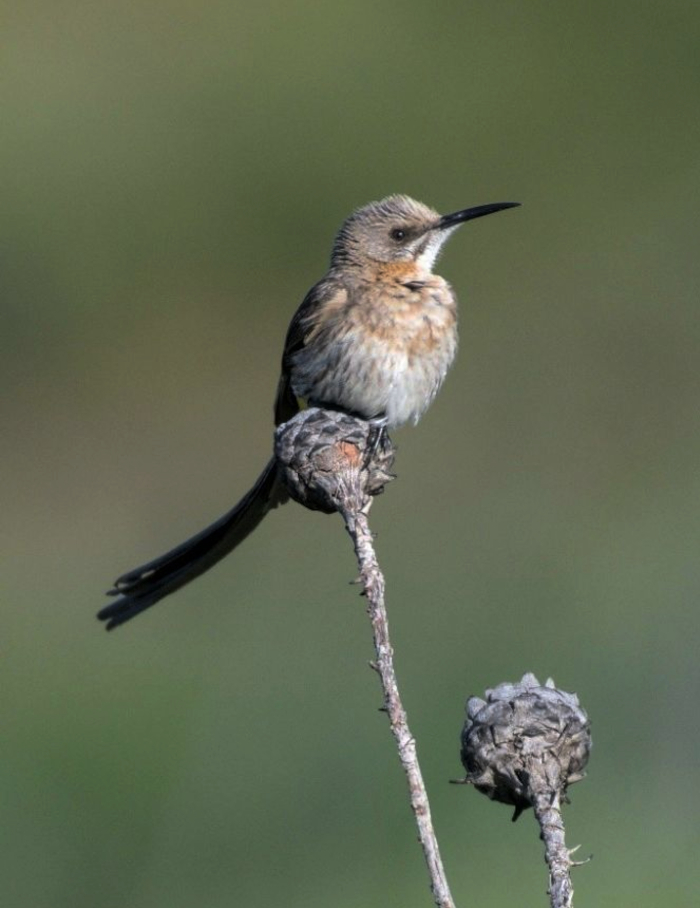
As the group continued up the Batis Trail, a few Cape Sugarbirds were observed braving the gusts, their long tails streaming behind them like sails. A Cape Grassbird called from cover but proved reluctant to show itself, despite Otto’s patient efforts to coax it into view.
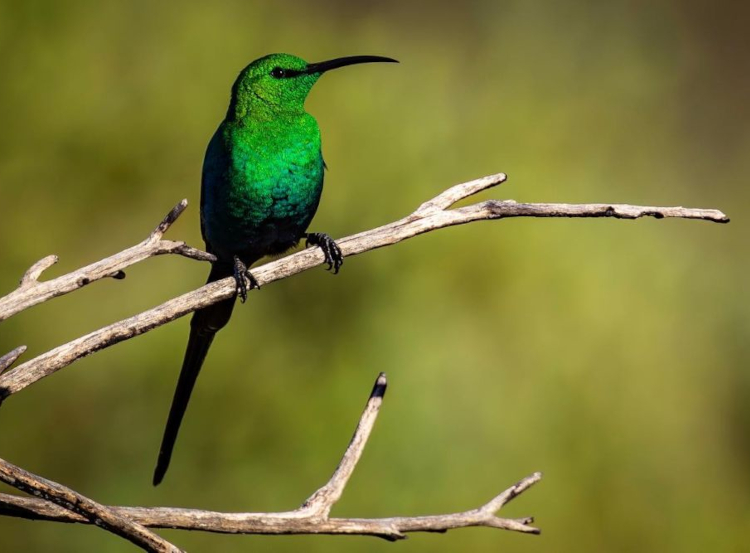
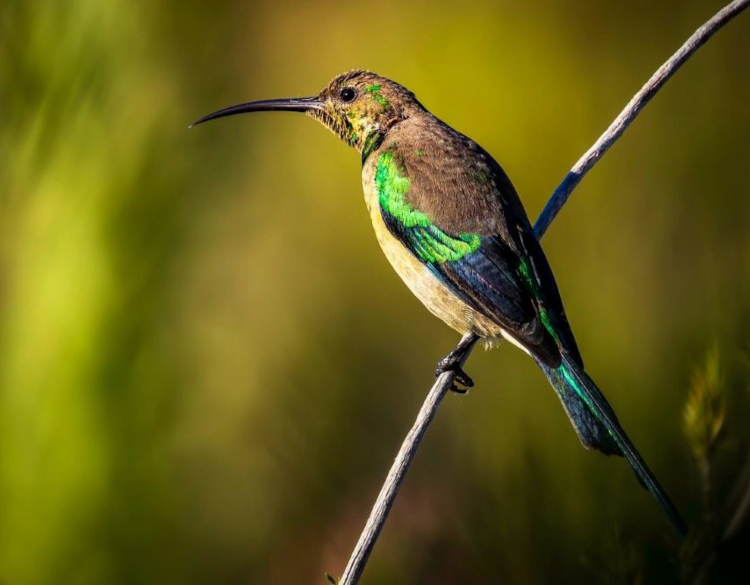
Those who were able to keep pace with Otto benefited from his knowledgeable commentary, including an insightful explanation of how Common Waxbills are parasitised by the Pin-tailed Whydah, and the tip that young birders hoping to find a dropped Whydah tail should look out for these around March. We also enjoyed excellent views of Malachite Sunbirds in several plumage stages, as well as a striking, Orange-breasted Sunbird, beautifully lit and a highlight of the morning.
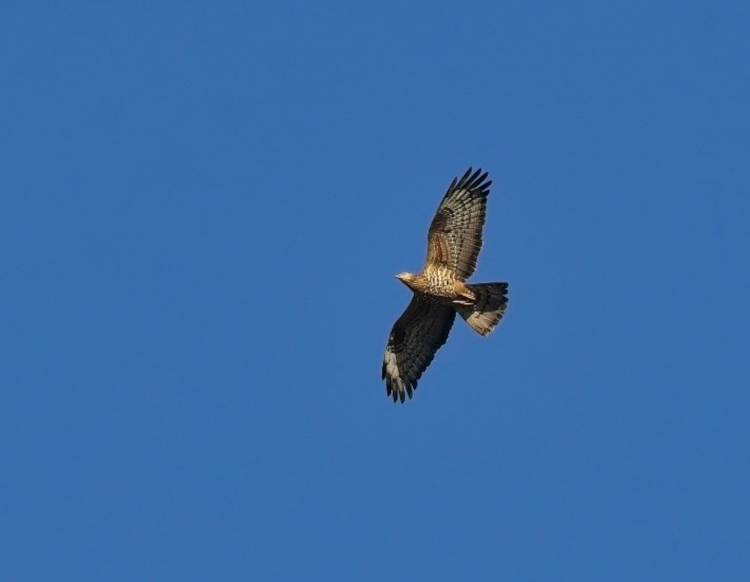
After regrouping at the top of the trail, we were rewarded with a brief but welcome view of the Cape Grassbird before it disappeared once more into the undergrowth. We then descended via the Siskin Trail, conversation turning, as it often does, towards the prospect of coffee. The morning concluded on a high note with two memorable raptor sightings: a Rufous-breasted Sparrowhawk and a European Honey Buzzard.
The European Honey Buzzard was a particularly satisfying sighting for the group. It initially prompted some identification debate, with a Common Buzzard and the “mystery buzzard” being suggested early on. However, once Daryl shared photographs showing the barred tail and relatively slight head, the committee was satisfied with the final identification. The attendees outnumbered the number of birds identified, with the final list scratching a mere 24. I don’t think this hampered anyone’s enjoyment, as the morning was more about connection and sharing a common passion.
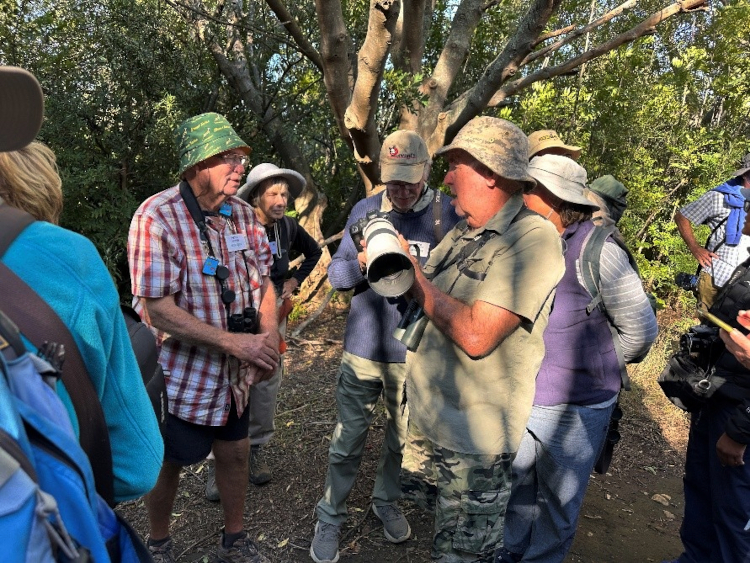
Discussion took place about the identity of the European Honey Buzzard before continuing on the walk.
A sincere thank you to Otto for his patience and wealth of knowledge throughout the walk. (Walking in your group is always a pleasure, although I may keep my distance next time, just in case I find myself writing the next newsletter!)
Photographs by Dirk van Zijl, Kate Meiring and Daryl de Beer.
Report by Dr Kate Meiring.
Footnote: After the formal end to the outing, and after a number of folks had left, we had a few additional species, mainly swifts, swallows and martins, fly over. Also, by comparing notes with a couple of the other attendees, a few extra birds were added to the list. This brought the overall species total for the morning to a rather more “acceptable” 35 species.
Update by Otto Schmidt.
CBC+CNC = A fun and ‘challenging’ outing to the Helderberg Nature Reserve
The Cape Bird Club (CBC) outing on Saturday 25 April coincided with Day 2 of the annual City Nature Challenge (CNC). The CNC is an annual global community science event that encourages people to observe and record urban biodiversity using the free iNaturalist app.
Many of you will have participated in bird counts like CAR and CWAC and other Citizen Science projects. Think of CNC as a supersized worldwide “nature count” primarily in cities, where residents use their phones or cameras to photograph and share sightings of birds, insects, reptiles and other animals, wild plants, fungi, and other organisms. (Even indirect signs of wildlife such as found feathers, bird and frog calls, birds’ nests, animal tracks and scat can all be contributed to this four-day international “bioblitz”.)
Every observation shared on iNaturalist has the potential to becomes real scientific data that helps track species distributions, monitor environmental change, and support conservation decisions.
https://www.inaturalist.org/projects/city-nature-challenge-2026-cape-town
Andrew and I were able to take advantage of the fact that City of Cape Town had once again opened their nature reserves for free for this long weekend, for those participating in the challenge. I think many of the other birders attending the outing benefitted too.
The large gathering of 50+ birders started by circumnavigating the small dam. A pair of African Black Ducks and a chatter of five Black Crakes were lifers for quite a few of the newer birders in the group.
We were pleased to add the African Black Ducks to our Bindo Autumn Challenge and also our Bindo CBC Community Collective Challenge 2026 lists. (The Bindo Autumn Challenge ran from 27 March until 3 May and once you had logged 100 species you were automatically entered into a lucky draw for a pair of binoculars.)
We ascended through the flowering proteas with each bloom acting as a small stage on which the sunbirds (three species) and Cape Sugarbirds fleetingly performed for us.
Our route did some of the paths within the lowest Sugarbird loop trail. We started out on the Batis Trail, continued on the White-eye Path, cut across the top of the Sugarbird Path and came down the Siskin Route.
I’m sure those attempting to make their way in the opposite direction to our group along the paths, who stood aside to let the birders pass, felt like they were waiting at a level crossing for the Sishen–Saldanha iron ore train to pass.
Keeping our eyes to the skies as we wound our way back down netted some interesting and exciting results. A Jackal Buzzard getting mobbed by a Pied Crow in one interaction and then a Rufous-breasted Sparrowhawk and a ‘not immediately confirmed and identified let’s look at the photos when we get to the shade’
The group like a flock of White-eyes spreading and drawing together to forage finished the outing with a picnic on the lawns, enjoying a late morning tea, an early lunch or a treat from the nearby coffee truck.
Thanks to Otto Schmidt for leading the outing although, with such a large group, we only saw Otto at the welcome to start and then again when we all gathered on the lawn at the finish.
Photographs by Dirk van Zijl, Heather and Andrew Hodgson, Ben van der Merwe.
Report by Heather Hodgson.